
Consistency, Delight in Luxury, and Delight Beyond Luxury
The Service Translation Framework explains how brands translate values into action by balancing Consistency, Delight in Luxury, and Delight Beyond Luxury.
I. The Core Thesis: Service as a Mindful Pause
World-class customer experience (CX) and enduring brand loyalty are achieved only when service and execution consistently go outside the script to deliver something truly exceptional.
They are secured by a Mindful Connection—a culturally empowered action that transcends the purely transactional and moves beyond the rigidly mandated process.
The leader’s challenge is Service Translation: converting abstract brand values—such as integrity, empathy, and excellence—into consistent frontline actions.
This framework rests on three pillars, structured for maximum narrative impact:
- Consistency (The Hygiene Factor): The foundation of trust. Without it, delight is an anomaly.
- Delight in Luxury (The Taj Standard): The aspiration where consistency and emotion fuse to create expected excellence.
- Delight Beyond Luxury (The Universal Proof): The realization that exceptional service is a discipline, not a price point.
II. Pillar 1: The Struggle for Consistency (Air India)
Consistency is the non-negotiable prerequisite. Without it, trust erodes, and any gesture of goodwill is merely a short-term patch.
Case Study: Air India’s Misdirected Goodwill
Air India’s transitional state exemplifies the failure of Service Translation. Staff often demonstrate a genuine cultural readiness to serve, offering spontaneous discretionary gestures like upgrades or extra attention.
However, the minimum hygiene factors—clean cabins, reliable processes, and on-time performance—are the foundation of trust. Consistency is proven only when the baseline experience is stable across flights and the entire network. An exceptional intervention to resolve an issue or deliver delight does not serve the brand if the next interaction is inconsistent.
When positive discretion is layered on top of systemic inconsistency, it cannot build loyalty; it results in a state of Service Inconsistency, where trust is undermined rather than anchored.
Lesson: Consistency is the hygiene factor. Until systemic reliability is achieved across all touchpoints, discretionary goodwill cannot anchor long-term loyalty. Inconsistency is the fastest way to destroy trust, no matter how strong the brand’s heritage.
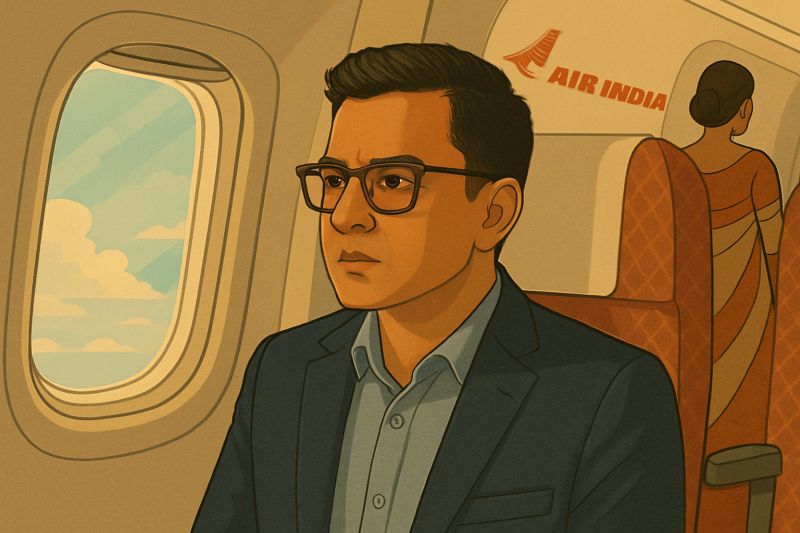
Caption: When service is inconsistent, customer experience feels like a lottery. Alt Text: Air India case study illustrating inconsistency and unpredictability in customer service.
III. Pillar 2: Delight in Luxury (The Taj Standard)
Luxury is not defined solely by material opulence but by how consistently a brand transforms routine service into memorable experiences, establishing the benchmark of excellence for attentiveness.
Case Study: The Taj (Hotel) Excellence
While staying at the Taj, a housekeeping staff member noticed my book on the bedside table. When I returned, I found a bookmark placed inside, carrying the words: “Between the pages of a book, is a lovely place to be.” Perhaps this was equally true for the Taj itself.
It is this thoughtfulness — beyond process, manuals, or the predictable script — that transforms a regular stay into a memorable one. The Taj demonstrates how a brand can be both value-driven and culturally empowered to act in ways that reflect care and attentiveness.
Lesson: In luxury, delight should never be an exception. The benchmark of excellence is reached when an organization sets high standards for itself, consistently puts the customer first, and empowers employees to act in alignment with those values.
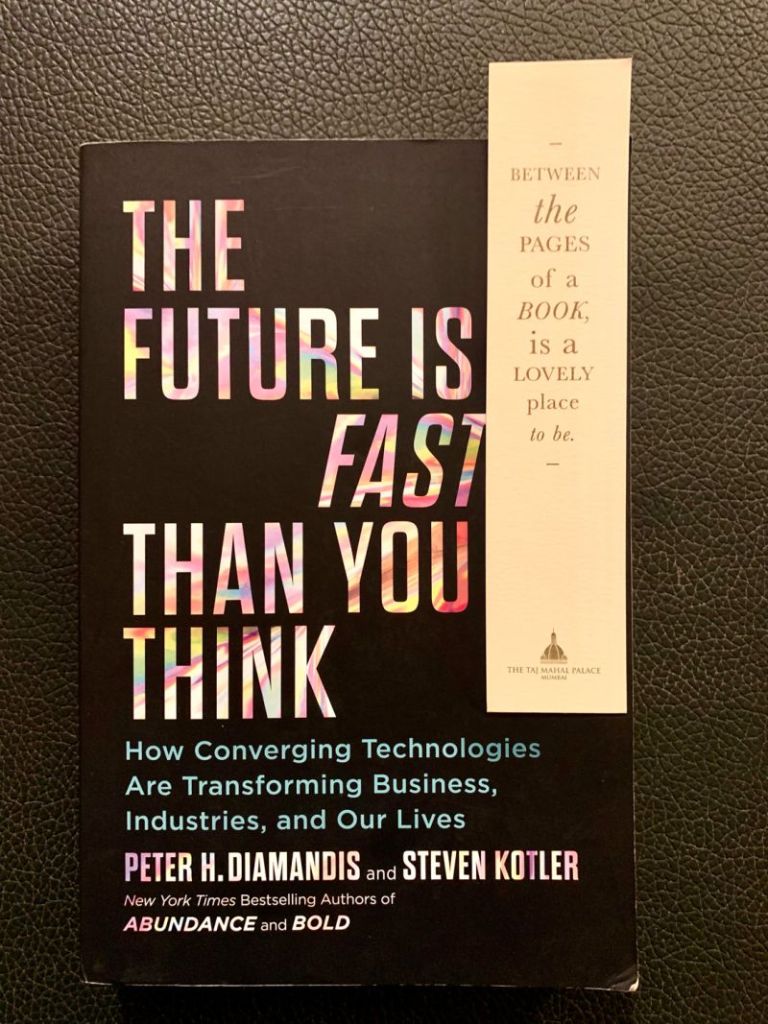
Caption: Taj Hotels: where the smallest gestures become the benchmark of excellence. Alt Text: Taj Hotels case study symbolized by a book and bookmark gesture showing attentiveness.
IV. Pillar 3: Delight Beyond Luxury (The IndiGo Proof)
This final case study delivers the most actionable lesson: True delight is not the sole preserve of luxury brands. It is a universal discipline achievable in any business model.
Case Study: IndiGo – Operational Excellence with a Soul
IndiGo, celebrated for its operational efficiency and cost discipline, showed how even in a high-pressure environment, culturally empowered action can create a human connection:
- On a flight to Europe, I received a handwritten card from the crew.
- On the return, a crew member (Uzma) personally accommodated a special meal request and followed up with a handwritten note.
They may sound small, but they reveal the truth of what builds lasting brands: in an industry defined by speed and precision, this crew paused to connect. They didn’t just deliver a service; they delivered an experience.
It reminded me of a story that has stayed with me: The sage Narada, who considered himself Lord Vishnu’s greatest devotee, once asked the Lord to name his greatest follower. Expecting to hear his own name, Narada was surprised when Vishnu pointed instead to a humble farmer. To show why, Vishnu asked Narada to balance a pot of oil on his head and circle the world. When Narada returned, Vishnu asked, “How many times did you think of me?” Narada replied, “None—my focus was entirely on the pot.”
The IndiGo staff fulfilled their duty (balancing the “pot of oil” of safety and process) while still finding space for genuine care. These mindful pauses proved that delight can emerge not in spite of efficiency, but because culture empowers individuals to act with empathy within the rigid process.
Lesson: True delight transcends category. It can be delivered as reliably in a value-for-money airline as in a luxury hotel when culture empowers staff to step outside the manual and choose connection.
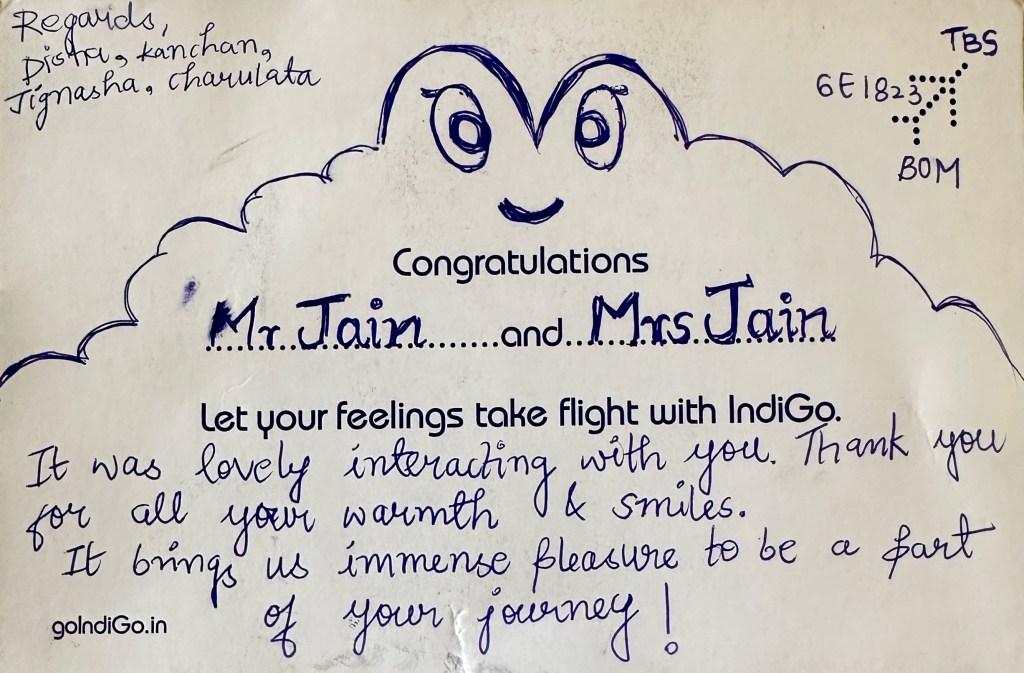
Caption: IndiGo: operational excellence infused with a personal touch. Alt Text: IndiGo Airlines case study represented by handwritten note symbolizing human connection.
V. The Service Translation Framework: Scaling the Mindful Connection
The future of service requires leaders to not just manage the human gesture, but to design systems that scale its intent, leveraging AI and data to replicate the spirit of connection. for eg.
| Service Element | Human Gesture (Today) | AI/Data Equivalent (Tomorrow) |
| The Touch | Handwritten note, bookmark | Hyper-personalized, proactive communication |
| Observation | Crew noticing a habit | AI predicting needs from behavior patterns |
| Proactivity | Off-script accommodation | Systems resolving issues before detection |
Export to Sheets
Leadership Mandate: The goal is not about replacing the human touch, but scaling the intent of the human gestureacross every touchpoint.
VI. Conclusion: The Enduring Brand
The Service Translation Framework provides a clear structure for building enduring brand loyalty:
- Air India highlights the risk of neglecting the Hygiene Factor.
- Taj Hotels defines the benchmark of excellence in luxury.
- IndiGo demonstrates the ultimate proof: Delight Beyond Luxury, showing that excellence is a discipline of culture and system, not a product of price point.
That balance—between the pot of oil and the mindful pause—is how enduring brands are built.
Related Reflection:
If you’d like to explore this idea further, read my essay on Crafting Indian Luxury: Lessons for Brands and AI, which expands on how enduring brands balance heritage, human touch, and technological transformation.
About the Author : Vijay Jain is a seasoned consumer and retail expert with over 25 years’ experience in building and scaling businesses. As Founder-Director of ORRA and former CEO of ORRA and Ritu Kumar, he has led both founder-driven and professionally managed companies, delivering growth, cultural transformation, and customer-centricity. He brings a rare blend of financial acumen from investment banking and operating expertise as CEO. Today, as an Operating Partner, Advisory Board Member, and Board Mentor, he works across industries — from consumer and retail to wellness, food, and emerging tech — with a focus on governance, strategy, and sustainable growth. Deeply engaged with AI and digital transformation, Vijay helps businesses leverage technology, strategy, and people to scale faster and build future-ready organisations. He is also a recognized speaker, having shared insights on leadership, scaling brands, and digital transformation at platforms including CII, Harvard Business School, and Google.


Leave a Reply